2026-10-22 ·
Safe DIY Checks Before Hiring Spray Foam Removal Help in Hull
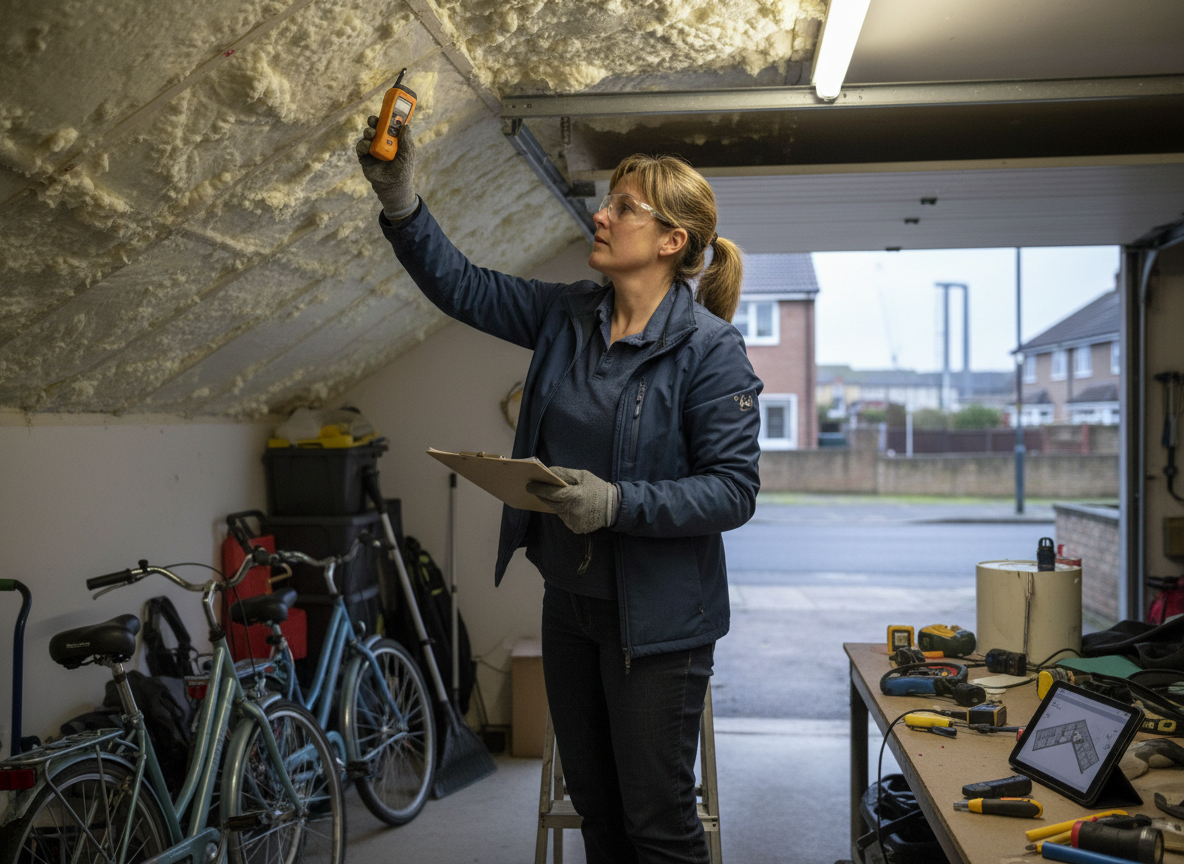
Before hiring spray foam removal help in Hull, start by examining visible areas of your property for signs of insulation breakdown or moisture intrusion. This initial review reveals whether issues stem from age-related failures common in local Victorian terraces or from newer installations affected by Humber estuary humidity.
Inspecting Visible Spray Foam Areas
Begin your checks in lofts and roof spaces where spray foam often appears in Hull properties built before 1970. Look for discoloration, crumbling edges, or water stains along joists, especially in neighborhoods like Hessle and Cottingham where older stock meets frequent rainfall. Use a strong torch to scan for gaps that allow drafts, noting any musty odors that signal trapped damp. Record measurements of affected zones in square meters so you can describe the scale accurately when speaking with contractors. Avoid disturbing the material yourself if it shows signs of degradation, as fragments can release particles into the air. These observations help determine whether the job requires targeted loft spray foam removal or broader attic spray foam removal approaches.
Assessing Structural and Moisture Risks
Next, check walls and ceilings for bulging or cracking that might indicate spray foam expansion issues in Hull's older brick homes near the docks. Victorian properties in these zones often feature solid walls that trap moisture when closed-cell foam was added later, leading to timber rot over time. Press gently on suspect plaster to test for softness, and inspect external pointing for missing mortar that lets rain penetrate. In areas like Beverley or Brough, where clay soils retain water, ground-level checks around foundations can reveal rising damp linked to cavity wall spray foam removal needs. Document any temperature differences between rooms using a basic thermometer, as cold spots frequently trace back to failed insulation. This data supports informed discussions about insulation assessment services without assuming the extent of work required.
Evaluating Health and Ventilation Factors
Test indoor air quality by noting persistent odors or respiratory irritation after entering treated spaces, particularly in Hull homes with limited original ventilation. Poor airflow in converted lofts can concentrate off-gassing from aging foam, especially during winter when windows stay closed. Open internal doors and run extractor fans for ten minutes, then reassess whether smells dissipate. Measure room dimensions and note window placements to understand natural circulation patterns typical of Yorkshire terraces. These details matter when considering mortgage lender spray foam removal requirements, as lenders often flag properties with unverified insulation. Avoid using household cleaners on the foam during checks, since chemical reactions could worsen conditions.
Preparing Details for Professional Input
Compile your notes into a simple list including property age, affected room sizes, and any recent weather events like heavy rain that might have worsened issues. This preparation proves useful when contacting services such as insulation assessment or reviewing what influences spray foam removal costs in Hull. Cross-reference findings against guidance on dealing with spray foam in Victorian homes near Hull docks to recognize patterns common in the region. Focus questions on removal methods suited to local housing rather than general quotes. NexaClean Crew operates from 317 Boothferry Road, Hull, HU4 6EZ with 24/7 availability for urgent assessments once your checks indicate professional help is warranted.